

Canonical
15 February 2018
Storage Made Easy adds Charm to Canonical’s Juju ecosystem
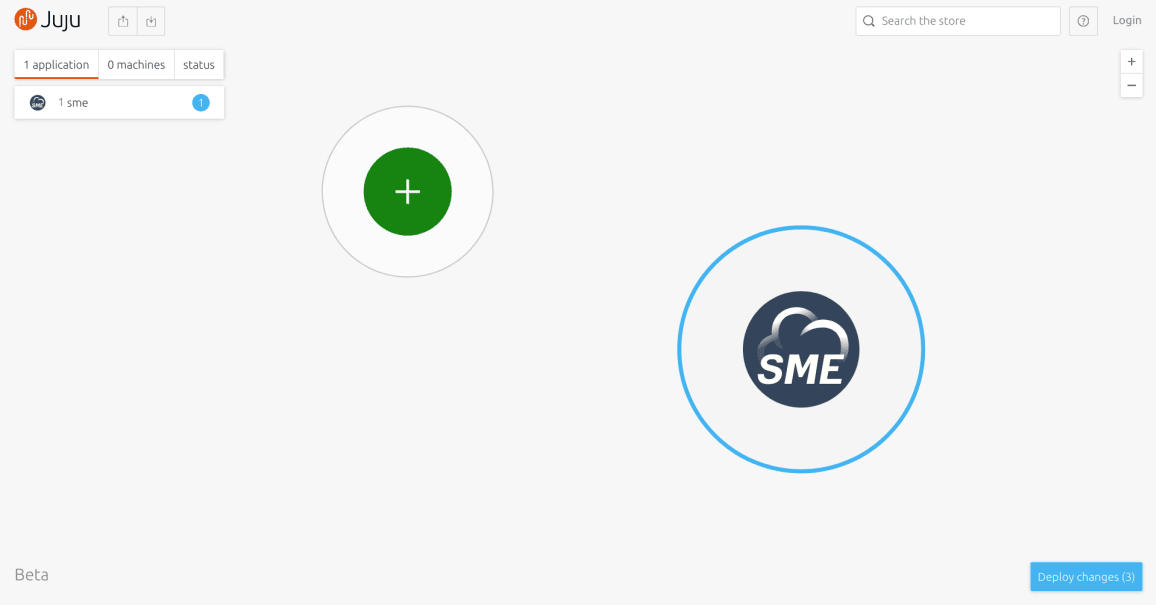
Storage Made Easy (SME) today announced the availability of the Storage Made Easy™ Enterprise File Fabric™ charm through Canonical’s Juju charm store. The store provides access to a wide range of best practice solutions which can be deployed to public clouds such as AWS, Google Cloud and Azure as well as private clouds such as MAAS, OpenStack and VSphere. Now operations teams have ready access to the Storage Made Easy data store unification and governance technology which can be deployed in minutes to the cloud of their choice.
Canonical’s model-driven operations system Juju addresses the complexity of modern software by providing reusable, abstracted operations across hybrid cloud and physical infrastructure. Integration points and operations are encoded in “charms” by vendors and the community of experts familiar with an app. These charms are leveraged by operations teams, configuration as code that evolves along with the software itself.
The Storage Made Easy Enterprise File Fabric solution provides a governance hub for on-premises and on-cloud data stores enabling common policies and restrictions to be set across the fabric of a company’s corporate data assets.
“Storage Made Easy’s participation in the Charm Partner Program and the release of our own Juju charm aligns with our mandate to make storage easier to use and secure whether on-premises, or in private or public clouds. This is an important milestone in our partnership with Canonical offering solutions that help customers deploy their applications quickly, securely and at scale,” said Steven Sweeting, Director Product Management. “We’re also pleased to support JAAS – Juju-as a Service for even faster deployment”.
“We are delighted to welcome Storage Made Easy to the Juju ecosystem” said Arturo Suarez, Program Director at Canonical. “SME’s Enterprise File Fabric adds a set of outstanding features to our catalogue of storage solutions, doubling down on our commitment to offer our customers flexibility, security and the economics to run their applications at scale across different platforms.”


